

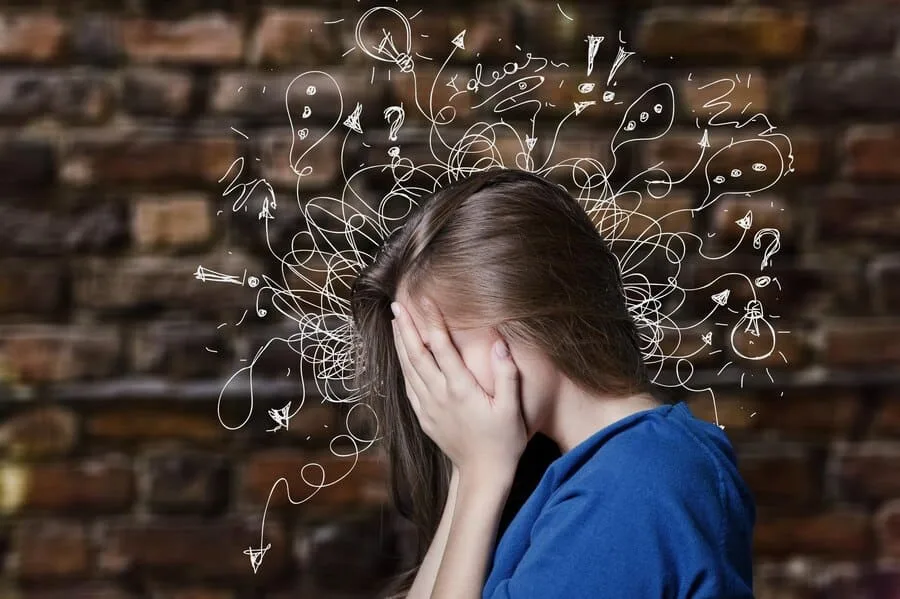

Anxiety is a natural response to stress or uncertainty. It can help us stay alert and prepared during challenging situations. However, when anxiety becomes frequent, intense, or difficult to control, it can interfere with daily life and overall well-being.
Understanding anxiety, recognizing its symptoms, and learning healthy coping strategies can help individuals manage their emotions more effectively and improve their quality of life.
What Is Anxiety?
Anxiety is a feeling of worry, nervousness, or fear that may occur in response to real or perceived threats. Everyone experiences anxiety occasionally, but anxiety disorders involve excessive fear or worry that persists over time.
Several types of anxiety disorders include generalized anxiety disorder, panic disorder, social anxiety disorder, and specific phobias.
Common Symptoms of Anxiety
Anxiety affects both the mind and body.
Common emotional symptoms include:
- Excessive worrying
- Feeling restless
- Irritability
- Difficulty concentrating
- Feeling overwhelmed
Physical symptoms may include:
- Rapid heartbeat
- Sweating
- Trembling
- Muscle tension
- Shortness of breath
- Upset stomach
- Fatigue
Symptoms vary from person to person and may change over time.
Common Causes and Risk Factors
Several factors can contribute to anxiety.
These include:
- Genetics
- Stressful life events
- Chronic illness
- Trauma
- Substance misuse
- Personality traits
- Family history of anxiety disorders
In many cases, anxiety results from a combination of biological, psychological, and environmental factors.
Healthy Coping Strategies
Managing anxiety often involves adopting healthy daily habits.
Helpful strategies include:
Practice Deep Breathing
Slow, controlled breathing helps calm the nervous system and reduce feelings of panic.
Stay Physically Active
Regular exercise supports emotional well-being by reducing stress hormones and increasing endorphin production.
Get Enough Sleep
Adequate sleep helps regulate emotions and improves resilience to stress.
Limit Caffeine
Excessive caffeine may worsen anxiety symptoms such as restlessness and rapid heartbeat.
Stay Organized
Planning your day and breaking large tasks into smaller steps can reduce feelings of overwhelm.
Build a Strong Support System
Talking with trusted friends, family members, or support groups can provide emotional reassurance during difficult times.
Sharing concerns often reduces feelings of isolation and helps people develop healthy coping strategies.
Professional Treatment Options
If anxiety significantly affects daily life, professional treatment may be recommended.
Treatment options can include:
- Cognitive behavioral therapy (CBT)
- Counseling
- Stress management programs
- Medication prescribed by a healthcare provider
- Relaxation techniques
Treatment plans are personalized based on individual needs and symptom severity.
When to Seek Medical Help
Consult a healthcare professional if anxiety:
- Persists for several weeks or months
- Interferes with work, school, or relationships
- Causes frequent panic attacks
- Leads to avoidance of daily activities
- Feels difficult to manage despite self-care efforts
Early treatment often improves long-term outcomes.
Conclusion
Anxiety is a common mental health condition, but it does not have to control your life. Understanding its symptoms, identifying triggers, and practicing healthy coping techniques can help reduce its impact. When needed, seeking professional support is a positive step toward better emotional well-being and long-term mental health.
