

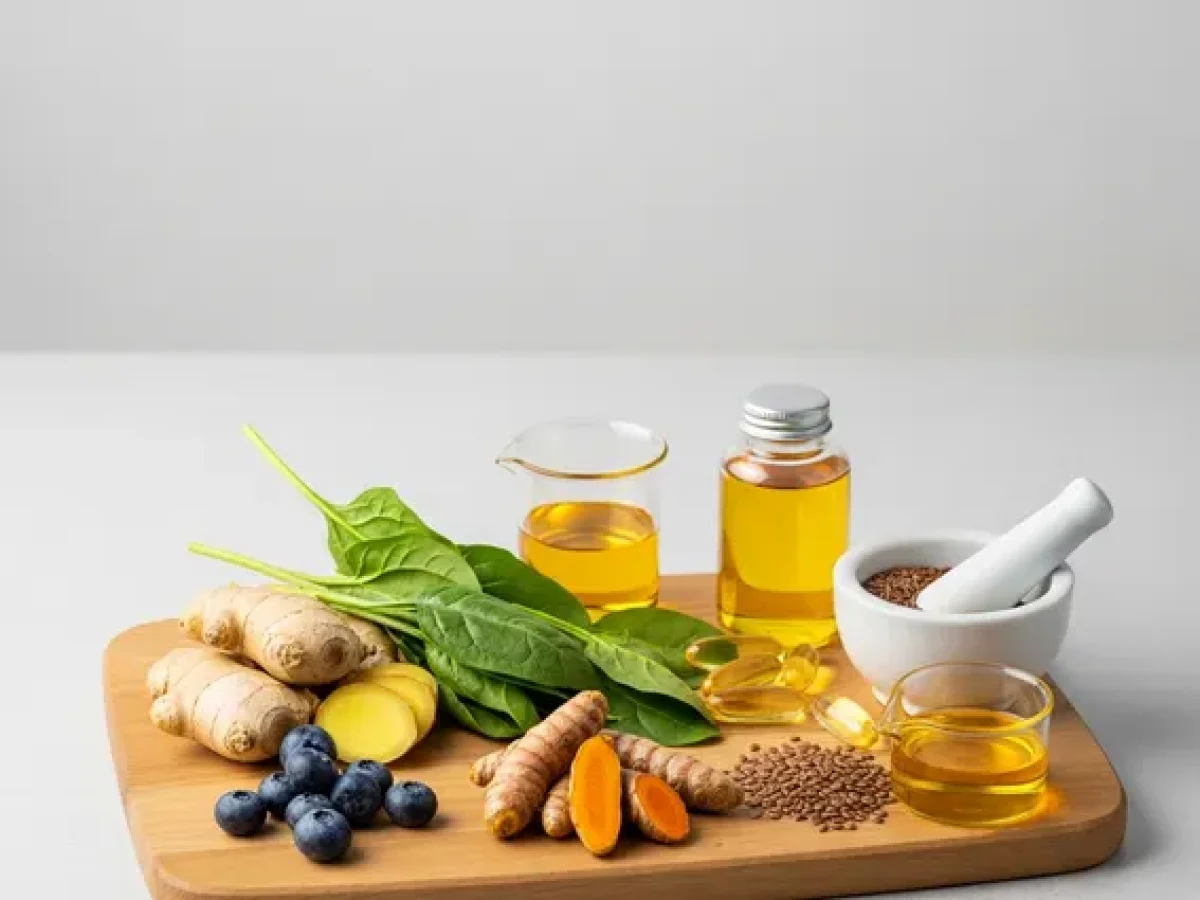

Muscle and joint pain can affect people of all ages. Whether caused by exercise, aging, arthritis, poor posture, or everyday activities, pain can limit mobility and reduce quality of life. While medical treatment is necessary for certain conditions, many people find relief through natural approaches that support healing and reduce inflammation.
Incorporating healthy habits into your daily routine may help relieve discomfort and improve long-term joint and muscle health.
Stay Active with Gentle Exercise
Although it may seem counterintuitive, movement often helps reduce pain rather than worsen it.
Low-impact activities such as walking, swimming, cycling, and yoga improve flexibility, strengthen muscles, and increase blood circulation. Regular exercise also helps lubricate joints and maintain a healthy range of motion.
Start slowly and gradually increase your activity level to avoid overexertion.
Apply Heat and Cold Therapy
Heat and cold are simple yet effective methods for managing pain.
Cold Therapy
Cold packs help reduce swelling and numb sore areas after injuries or intense physical activity. Apply a cold pack for 15 to 20 minutes several times a day during the first 48 hours after an injury.
Heat Therapy
Heating pads, warm towels, or warm baths relax tight muscles and improve blood flow. Heat is especially beneficial for chronic muscle stiffness and arthritis-related discomfort.
Stretch Every Day
Daily stretching keeps muscles flexible and reduces stiffness.
Focus on major muscle groups, including the neck, shoulders, back, hips, and legs. Stretching before and after exercise can also lower the risk of injury.
Avoid bouncing during stretches and hold each position for about 20 to 30 seconds.
Eat Foods That Reduce Inflammation
Certain foods naturally help combat inflammation.
Include these in your diet:
- Fatty fish like salmon and sardines
- Leafy green vegetables
- Berries
- Walnuts
- Olive oil
- Turmeric
- Ginger
Limiting processed foods and sugary beverages may also help reduce inflammation.
Maintain Good Posture
Poor posture places unnecessary stress on muscles and joints.
Sit with your feet flat on the floor, keep your shoulders relaxed, and position computer screens at eye level. Taking short breaks every hour helps prevent muscle fatigue during long periods of sitting.
Stay Hydrated
Muscles and joints function best when the body is properly hydrated.
Water supports joint lubrication and helps transport nutrients to tissues. Drinking enough fluids throughout the day is especially important during hot weather and physical activity.
Manage Stress
Stress often causes muscle tension, particularly in the neck, shoulders, and back.
Relaxation techniques such as meditation, deep breathing, gentle yoga, and mindfulness exercises help reduce stress and ease muscle tightness.
Consider Massage Therapy
Massage can improve circulation, reduce muscle tension, and promote relaxation.
Professional massage therapy may benefit individuals with chronic muscle pain, sports injuries, or stress-related discomfort. Even self-massage using foam rollers or massage balls can provide temporary relief.
Support Joint Health
Strong muscles provide better support for joints.
Strength training exercises performed two or three times per week can improve stability and reduce strain on joints. Begin with light resistance and proper technique to avoid injury.
Know When to Seek Medical Advice
Natural remedies are helpful for many mild conditions, but persistent pain should not be ignored.
Consult a healthcare professional if you experience:
- Severe swelling
- Joint deformity
- Fever with joint pain
- Sudden inability to move a joint
- Pain lasting several weeks
- Numbness or significant weakness
These symptoms may indicate an underlying medical condition requiring prompt treatment.
Conclusion
Natural pain relief strategies can play an important role in maintaining healthy muscles and joints. Regular exercise, nutritious eating, proper posture, hydration, stretching, and stress management work together to reduce discomfort and improve mobility. Combining these habits with professional medical care when needed can help you stay active and enjoy a healthier, more comfortable life.
