

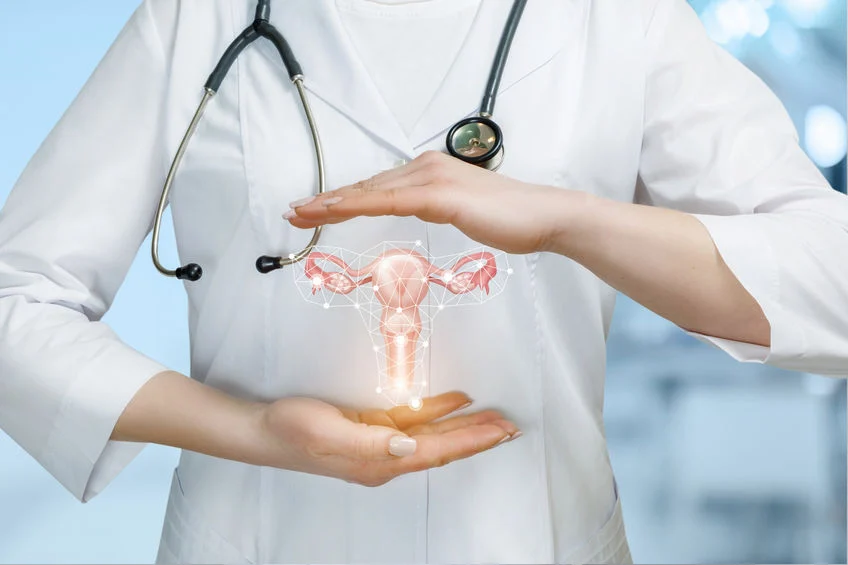

Women’s reproductive health is an essential part of overall well-being. It includes the health of the reproductive organs, hormonal balance, menstrual health, fertility, pregnancy, and menopause. Maintaining good reproductive health helps women lead healthier lives, identify medical conditions early, and make informed healthcare decisions.
Regular gynecological care, a balanced lifestyle, and awareness of common reproductive health concerns all contribute to long-term wellness. Understanding the basics empowers women to take control of their health at every stage of life.
What Is Reproductive Health?
Reproductive health refers to the proper functioning of the female reproductive system, including the uterus, ovaries, fallopian tubes, cervix, and vagina. It also involves hormonal health, menstrual cycles, fertility, and sexual health.
Maintaining reproductive health is important from adolescence through menopause and beyond. Routine healthcare visits can detect problems before they become serious.
The Importance of Regular Gynecological Checkups
Routine gynecological examinations play a key role in preventive healthcare.
During a visit, a healthcare provider may:
- Review your medical history
- Discuss menstrual health
- Perform a pelvic examination if appropriate
- Recommend cervical cancer screening based on age and guidelines
- Evaluate reproductive concerns
- Provide contraception counseling when needed
Regular appointments help detect infections, hormonal disorders, and other gynecological conditions at an early stage.
Maintaining a Healthy Menstrual Cycle
A menstrual cycle can vary from person to person. While cycle length and flow differ, major changes should not be ignored.
To support menstrual health:
- Eat a balanced diet rich in iron and essential nutrients.
- Stay physically active.
- Maintain a healthy body weight.
- Manage stress effectively.
- Get adequate sleep each night.
Tracking your menstrual cycle can also help identify unusual changes that should be discussed with a healthcare provider.
Common Gynecological Conditions
Several conditions commonly affect women’s reproductive health.
These include:
Polycystic Ovary Syndrome (PCOS)
PCOS is a hormonal disorder that may cause irregular periods, acne, weight gain, and difficulty becoming pregnant.
Endometriosis
This condition occurs when tissue similar to the uterine lining grows outside the uterus, often causing severe pelvic pain and painful menstrual periods.
Uterine Fibroids
Fibroids are noncancerous growths that develop in or around the uterus. Some women experience heavy bleeding, pelvic pressure, or discomfort, while others have no symptoms.
Vaginal Infections
Yeast infections and bacterial vaginosis are common causes of itching, unusual discharge, and irritation. Prompt treatment can relieve symptoms and prevent complications.
Healthy Lifestyle Habits for Reproductive Wellness
Daily habits can positively influence reproductive health.
Consider these healthy practices:
- Eat nutrient-rich foods.
- Exercise regularly.
- Drink enough water.
- Avoid smoking and excessive alcohol use.
- Practice safe sex.
- Maintain a healthy weight.
- Manage stress through relaxation techniques.
These habits support hormone balance and overall reproductive function.
Fertility Awareness
Many factors influence fertility, including age, hormone levels, lifestyle, and certain medical conditions.
Women planning a pregnancy should consider scheduling a preconception visit with a healthcare provider to discuss nutrition, folic acid supplementation, vaccinations, and overall health.
Understanding ovulation and menstrual patterns may also improve family planning.
When to Consult a Gynecologist
Seek medical advice if you experience:
- Very heavy menstrual bleeding
- Severe pelvic pain
- Missed periods without pregnancy
- Persistent abnormal vaginal discharge
- Pain during intercourse
- Unusual bleeding between periods
- Symptoms of menopause that affect daily life
Early diagnosis often leads to more effective treatment.
Conclusion
Women’s reproductive health is an important part of lifelong wellness. Regular gynecological checkups, healthy lifestyle choices, and awareness of common conditions can help prevent complications and support overall health. Staying informed and seeking medical care when needed empowers women to make confident decisions about their reproductive well-being.
