

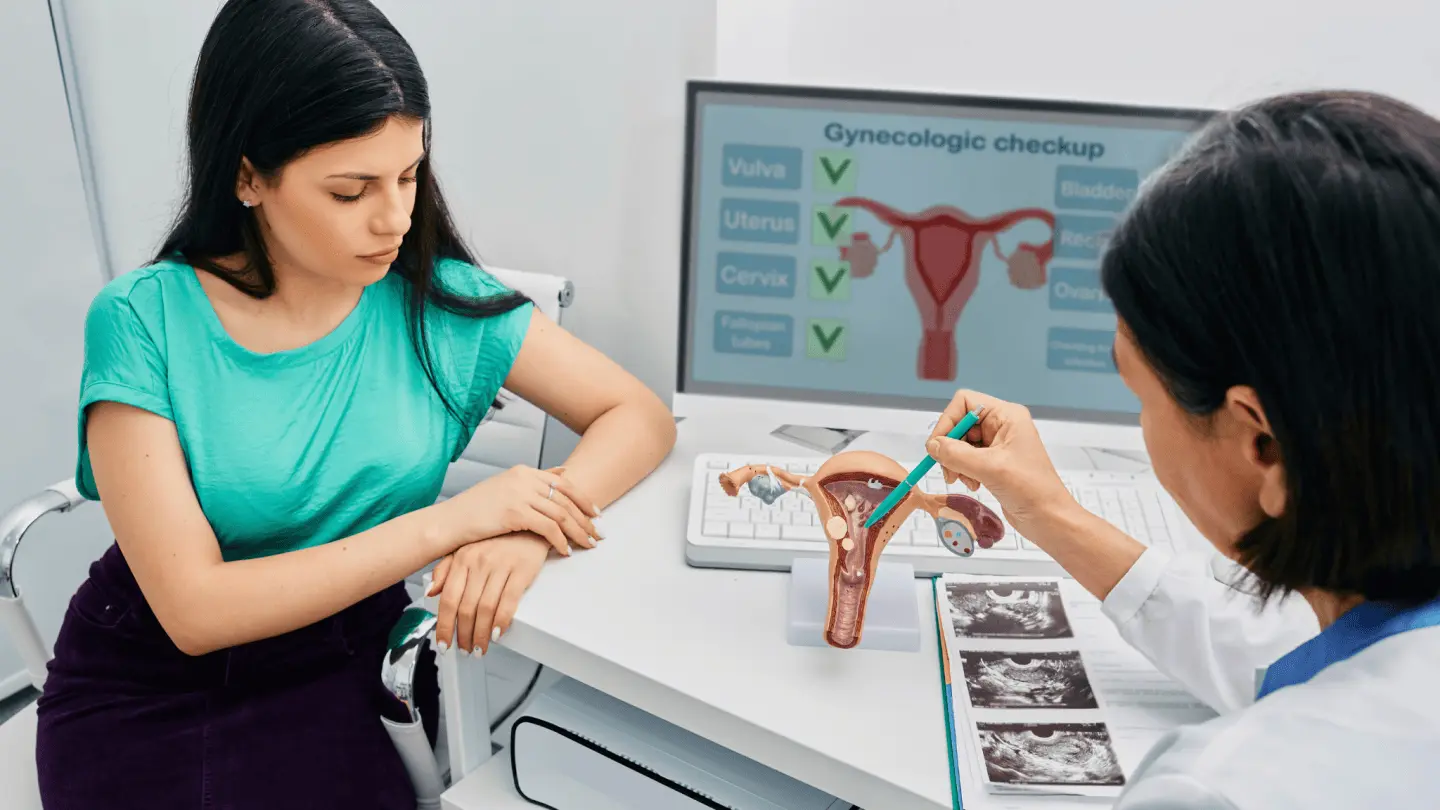

Gynecological conditions affect millions of women worldwide and can influence reproductive health, fertility, and overall quality of life. While some conditions produce noticeable symptoms, others develop gradually and may only be detected during routine medical examinations.
Understanding common gynecological disorders helps women recognize early warning signs and seek timely medical care.
Polycystic Ovary Syndrome (PCOS)
PCOS is one of the most common hormonal disorders affecting women of reproductive age.
Symptoms may include:
- Irregular menstrual periods
- Excess facial or body hair
- Acne
- Weight gain
- Difficulty becoming pregnant
Treatment often includes lifestyle changes, medications, and ongoing medical monitoring to help manage symptoms.
Endometriosis
Endometriosis occurs when tissue similar to the uterine lining grows outside the uterus.
Common symptoms include:
- Severe menstrual cramps
- Chronic pelvic pain
- Pain during intercourse
- Heavy menstrual bleeding
- Fertility challenges
Early diagnosis and treatment can improve symptom control and quality of life.
Uterine Fibroids
Fibroids are noncancerous tumors that develop within the uterus.
Although many women experience no symptoms, others may notice:
- Heavy menstrual bleeding
- Pelvic pressure
- Frequent urination
- Lower back pain
- Pain during menstruation
Treatment depends on the size, location, symptoms, and future pregnancy plans.
Ovarian Cysts
Ovarian cysts are fluid-filled sacs that develop on or inside the ovaries.
Most cysts resolve naturally without treatment. However, larger cysts may cause:
- Pelvic pain
- Bloating
- Irregular periods
- Pain during physical activity
Medical evaluation is recommended if symptoms become severe or persistent.
Vaginal Infections
Vaginal infections are common and may result from bacteria, yeast, or other microorganisms.
Typical symptoms include:
- Itching
- Burning
- Unusual discharge
- Unpleasant odor
- Discomfort during urination
Maintaining good hygiene and seeking prompt treatment can help prevent complications.
Cervical Health
Regular cervical cancer screening plays a vital role in women’s health.
Healthcare providers may recommend cervical screening based on age and individual risk factors. Vaccination against human papillomavirus (HPV) also helps reduce the risk of cervical cancer.
Discuss appropriate screening schedules with your healthcare provider.
Menopause and Hormonal Changes
Menopause is a natural stage of aging that marks the end of menstrual cycles.
Common symptoms include:
- Hot flashes
- Night sweats
- Mood changes
- Sleep disturbances
- Vaginal dryness
Healthy lifestyle habits and medical treatments can help manage symptoms when necessary.
Tips for Maintaining Gynecological Health
Women can support their reproductive health by following healthy daily habits:
- Schedule regular gynecological checkups.
- Eat a balanced diet.
- Exercise regularly.
- Practice safe sex.
- Stay hydrated.
- Avoid tobacco products.
- Maintain a healthy weight.
- Monitor menstrual cycle changes.
Preventive care remains one of the best ways to protect reproductive health.
When to Seek Medical Attention
Consult a healthcare provider if you experience:
- Severe pelvic pain
- Heavy or prolonged bleeding
- Missed periods unrelated to pregnancy
- Persistent abnormal vaginal discharge
- Pain during intercourse
- Unexplained pelvic swelling
Prompt evaluation can identify underlying conditions and improve treatment outcomes.
Conclusion
Gynecological conditions are common, but many are manageable when diagnosed early. Regular health screenings, awareness of symptoms, and healthy lifestyle choices help protect reproductive health throughout every stage of life. By staying informed and seeking medical advice when concerns arise, women can take an active role in maintaining their overall well-being.
