


Healthy skin acts as the body’s first line of defense against bacteria, viruses, and environmental damage. However, many people experience common skin conditions that can affect comfort, appearance, and confidence. While some skin problems require medical treatment, many can be prevented or managed with proper skincare habits and a healthy lifestyle.
Understanding these conditions and knowing how to reduce your risk can help you maintain healthier skin throughout the year.
Acne
Acne is one of the most common skin conditions among teenagers and adults. It develops when hair follicles become clogged with oil, dead skin cells, and bacteria.
Prevention Tips
Wash your face twice daily with a gentle cleanser. Avoid squeezing pimples, as this can increase inflammation and cause scarring. Use non-comedogenic skincare and cosmetic products that do not clog pores. Maintaining a balanced diet and managing stress may also help reduce flare-ups for some people.
Eczema
Eczema, also known as atopic dermatitis, causes dry, itchy, inflamed patches of skin. It often occurs in people with allergies or a family history of eczema.
Prevention Tips
Keep your skin moisturized by applying fragrance-free creams after bathing. Use mild soaps and avoid hot showers that can strip away natural oils. Wearing soft fabrics like cotton and identifying personal triggers can also reduce flare-ups.
Psoriasis
Psoriasis is a chronic autoimmune condition that speeds up skin cell production, resulting in thick, scaly patches.
Prevention Tips
Although psoriasis cannot always be prevented, healthy habits can minimize flare-ups. Managing stress, avoiding smoking, limiting alcohol consumption, and following your healthcare provider’s treatment plan can help control symptoms.
Fungal Skin Infections
Fungal infections such as athlete’s foot, ringworm, and yeast infections thrive in warm, moist environments.
Prevention Tips
Keep your skin clean and dry, especially after exercising. Change sweaty clothes promptly and avoid sharing towels, shoes, or personal items. Wearing breathable fabrics also helps reduce moisture buildup.
Sunburn
Sunburn occurs when the skin is exposed to excessive ultraviolet radiation from the sun.
Prevention Tips
Apply sunscreen with SPF 30 or higher every day, even during cloudy weather. Wear protective clothing, sunglasses, and wide-brimmed hats when outdoors. Seek shade during peak sunlight hours whenever possible.
Contact Dermatitis
Contact dermatitis develops when the skin reacts to allergens or irritating substances such as certain soaps, cosmetics, detergents, or plants.
Prevention Tips
Identify and avoid products that trigger skin irritation. Wear protective gloves when handling cleaning chemicals and always test new skincare products on a small area before full use.
Dry Skin
Dry skin is especially common during winter or in low-humidity environments. It can lead to itching, flaking, and small cracks.
Prevention Tips
Use gentle cleansers and moisturize immediately after bathing. Humidifiers can add moisture to indoor air during colder months. Drinking enough water and avoiding excessively hot showers also support healthy skin.
Skin Infections
Cuts, insect bites, or damaged skin can allow bacteria to enter and cause infections.
Prevention Tips
Clean wounds promptly with mild soap and water. Keep injuries covered until they heal and avoid scratching irritated skin. Seek medical attention if redness, swelling, or pain worsens.
When to See a Dermatologist
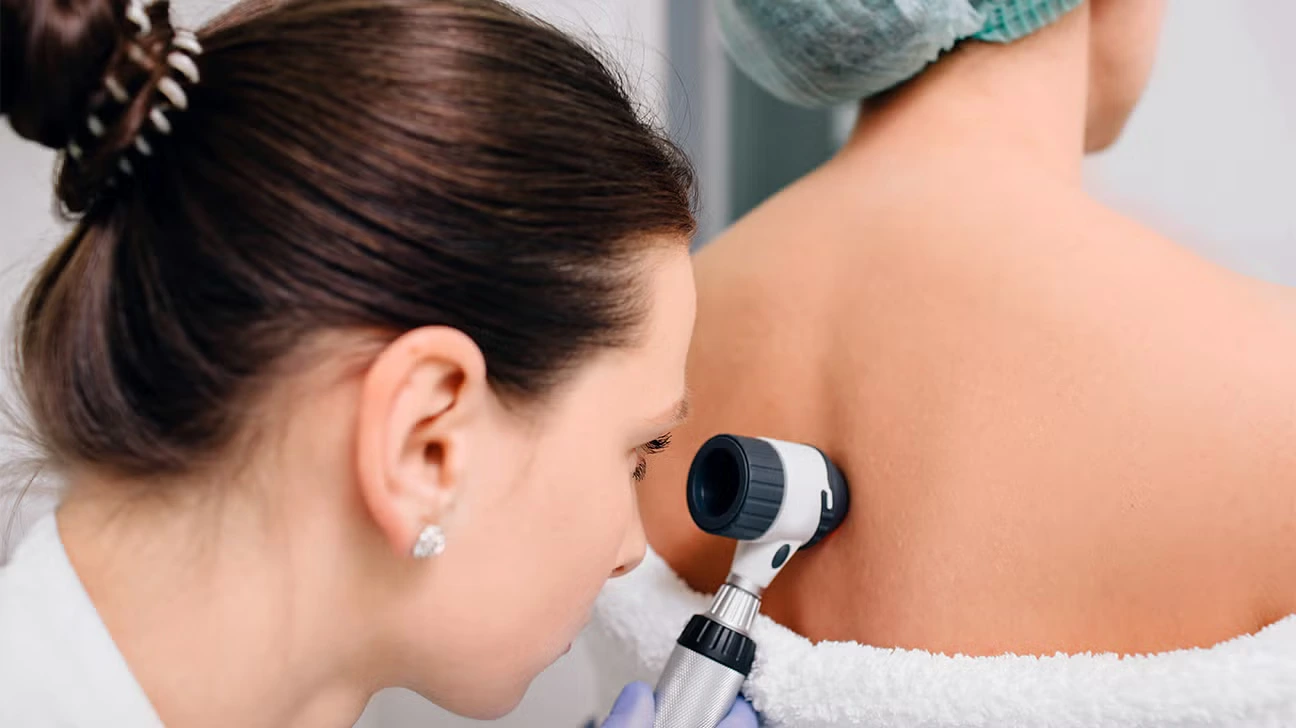
While many skin conditions improve with proper self-care, persistent symptoms should be evaluated by a healthcare professional. You should consult a dermatologist if you notice rapidly changing moles, unexplained rashes, severe acne, painful skin lesions, recurring infections, or symptoms that do not improve with home treatment.
Early diagnosis often leads to better treatment outcomes and prevents complications.
Conclusion
Taking care of your skin every day can significantly reduce the risk of common skin conditions. Simple habits such as cleansing gently, moisturizing regularly, protecting yourself from the sun, and practicing good hygiene go a long way toward maintaining healthy skin. Paying attention to changes in your skin and seeking professional advice when necessary ensures that minor concerns do not become more serious problems.
